
At GRI Renewable Industries, having a strategy that enables us to attract highly trained and motivated professionals is key to growing as a competitive, solid, and sustainable company, as the company’s future depends largely on the commitment and work of its team.
For this reason, the People department is dedicated to ensuring stable, high-quality employment with opportunities for growth and promotion among employees.
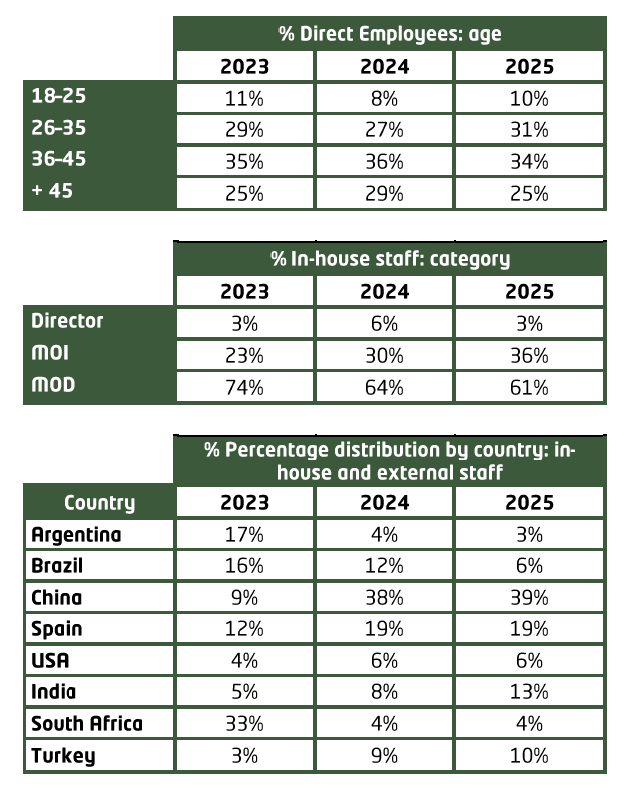
According to the scope of this Report, in 2025 GRI Renewable Industries had 5,698 professionals (5,153 direct employees and 545 contractors), compared to 5,901 professionals (5,347 direct employees and 554 contractors) in fiscal year 2024, representing a 3.4% reduction in the workforce.
We also prioritize local employment to create value in the countries where we operate. 96% of the workforce is locally sourced.
Further information is provided in tables in Appendix II.
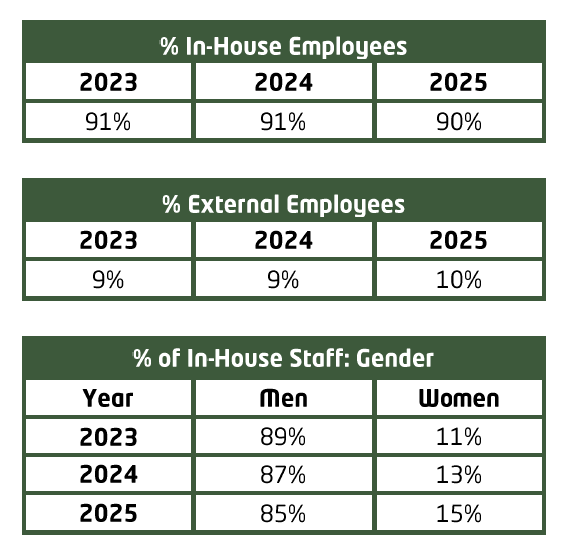
*The total number of employees differs from that published in the annual financial statements because the scope of the report is different.
**The headcount calculation takes into account the number of hours worked: 12,297,808, which may result in decimals in the overall calculation. To simplify the presentation of results, the data is shown rounded and without decimals.
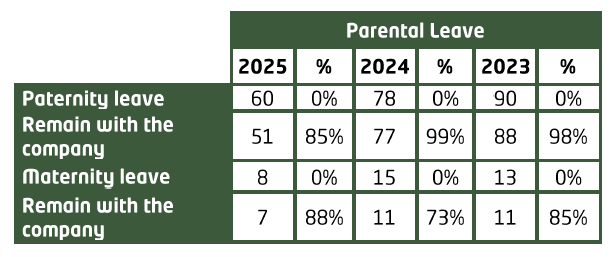
Regarding paternity and maternity leave (401-3), 60 men took paternity leave, and 85% remain with the company. In the case of women, of the 8 who took leave, 88% remain with the company.
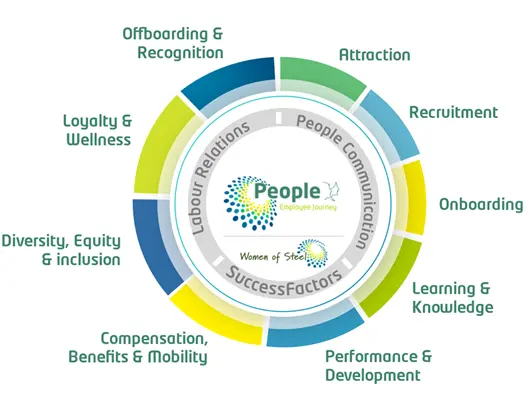
At GRI, we believe that training is essential for improving the skills of our employees, which is why we remain committed to developing the necessary training programs to help achieve this goal.
Academy: our online training platform
One of the most important tools is Academy, our training platform, which allows everyone to access the various courses and learning paths available.
In 2025, the 2,067 people registered on Academy completed a total of 2,589 hours of training, representing a significant increase compared to previous years.
Thus, we can highlight some of the training initiatives launched:
- Implementation of the 2024-2025 Supply Chain Training Program: a one-year training program aimed at the global Supply Chain team, with learning paths tailored to participants’ profiles and focused on improving skills such as communication, team management, and time management.
- Online language courses: Once again this year, online language training has been launched through Academy, with more than 80 company employees participating from Madrid, Turkey, South Africa, Seville, India, and FIHI.
- Metal Industry Collective Agreement PRL Training for Office Staff at GRI Madrid: a new session of this training was held, serving as a refresher for those who completed it in 2021 and as an introductory course for new hires, with a total of 180 hours of instruction.
Other in-person training programs of interest:
- On-site training program for the sales team: since late 2025, a program has been underway covering topics such as occupational safety and health, management systems, planning and production flow, as well as maintenance, procurement, and human resources to provide a comprehensive understanding of plant operations.
- Leadership and Coaching Program for members of the Management Committee: throughout 2025, a multi-session coaching program was conducted to strengthen their leadership, team management, and strategic decision-making skills.
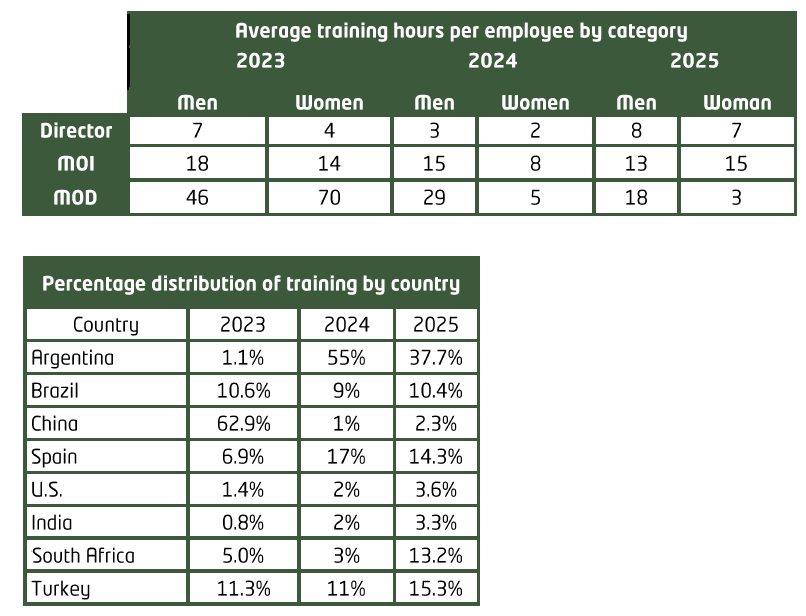
In 2025, a total of 77,721 hours of training were provided, representing a decrease from the 115,999 hours recorded in 2024. The average number of training hours per employee during the reporting period was 15.
In 2026, the company set a goal of providing at least 20 hours of training per employee by 2030.
As part of the strategic objective to ensure that GRI has the best professionals to meet the challenges of today’s market, it is important not only to guarantee the proper attraction and selection of candidates but also to have a system that allows for the monitoring of their performance and development opportunities.
Performance:
Having a performance evaluation system allows employees to receive feedback on the performance of their duties and responsibilities. Headquarters has established a Global Performance Evaluation System applicable to all corporate employees, plant managers, and their direct reports. The model, based on Management by Objectives (MBO), sets the objectives at the start of the program that will serve as a reference for the annual evaluation and is managed through the People Management Tool – SuccessFactors.
MBO includes different categories of objectives (Company, Operational, Competency, General Performance, and Development), whose weighting is determined in advance by Senior Management based on the position’s organizational level. In 2025, the MBO profiles were adapted to the various corporate levels (Analyst, Technician, Senior Technician, Manager, Senior Manager, Head of, Director, Senior Director, Regional Director, and Chief). For plant employees, two profiles remain: Plant Director and Local Area Manager.
The system offers several advantages: it is participatory, as the employee agrees on operational objectives with their manager; it aligns individual performance with strategic objectives; it provides transparency by defining expectations at the start of the cycle; and it incorporates a continuous evaluation approach with a minimum of two mandatory feedback meetings (mid-year and year-end) to detect unsatisfactory performance early and redirect it appropriately.
At the end of the fiscal year, the employee completes a self-assessment of their performance against the various objectives (with the exception of the company-wide objective, for which the result is aggregate and applies to all employees). Each manager reviews the self-assessment, evaluates it, and meets with the employee to provide feedback and finalize the evaluation.
In total, the year ended with a total of 209 employees evaluated based on the centralized DPO system (74% men and 26% women), distributed as shown below.
Corporate performance evaluation:
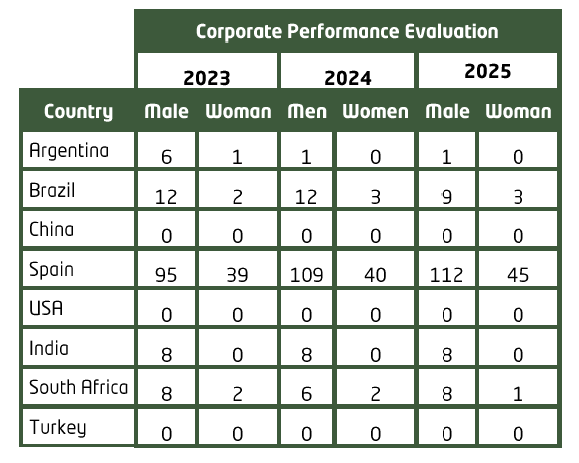
In addition, most factories have their own performance evaluation systems. These include plant personnel, covering in many cases 100% of the workforce, using a methodology tailored to their operations that measures parameters such as versatility in the workplace. Below, we summarize the distribution of DPOs conducted by country.
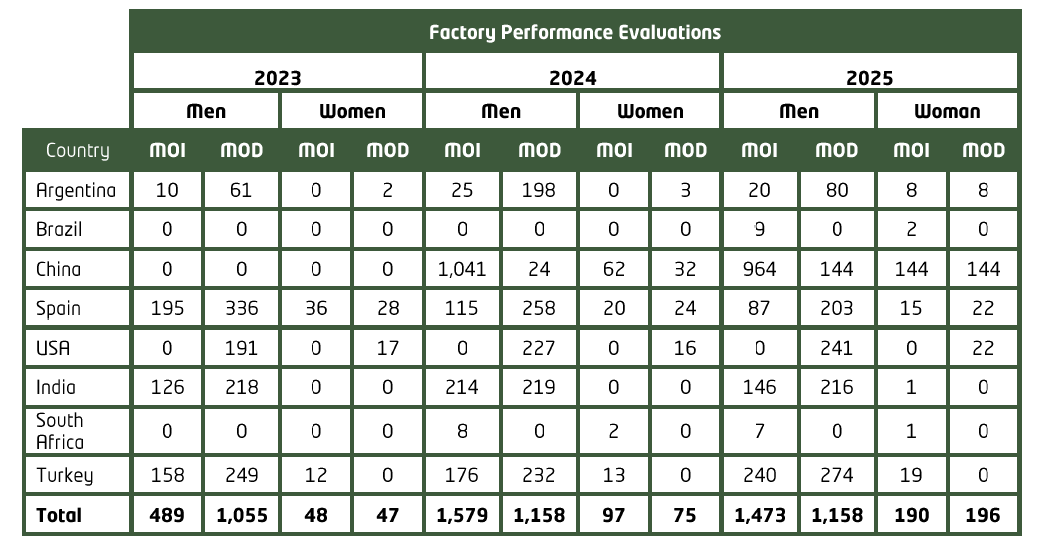
In the reporting year, 70% of the total workforce at GRI Renewable Industries participated in a performance evaluation process.
Development
At GRI, we consider it essential that employees have opportunities for professional growth and development. In 2025, a new organizational model was implemented at the corporate level based on the analysis and evaluation of all positions—including the plant manager role—using a factor model that assesses objective criteria such as required education and experience, impact on decision-making, problem-solving, and communication skills.
As a result, the previous four-level structure (Chief, Director, Manager, Analyst) was expanded to ten organizational levels (Chief, Regional Director, Senior Director, Director, Head Of, Senior Manager, Manager, Senior Technician, Technician, and Junior Technician/Analyst), each with standards defined according to the evaluated factors. Additionally, employees are assessed on their level of consolidation using a five-level scale that reflects their maturity in the responsibilities associated with the position. The project—developed in 2024 and launched in January 2025—aims to establish a more structured organizational system that facilitates objective and transparent development programs.
During 2025, progress was made in integrating the new model with other development processes (succession, career, and competency plans), as well as in its potential extension to plant-level positions. Furthermore, since 2024, DPO Global’s plans have included development objectives not linked to performance evaluation, designed to support the employee’s professional growth. These objectives are set annually in the Development Plan agreed upon between the employee and their manager.
As part of this integration, since 2025, supervisors and employees must jointly analyze professional development expectations and areas for improvement, which will serve as the basis for defining the development objectives incorporated into the annual plan.
Finally, GRI maintains a global Job Posting system that allows corporate vacancies to be advertised internally and facilitates development opportunities at both the local and international levels. Additionally, each plant has its own internal job posting systems for positions that can be filled with internal staff.
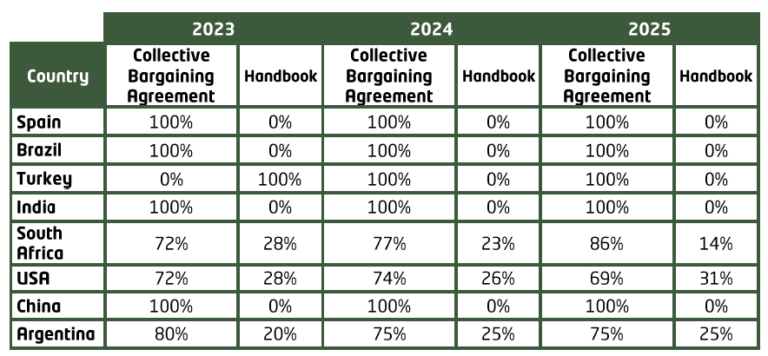
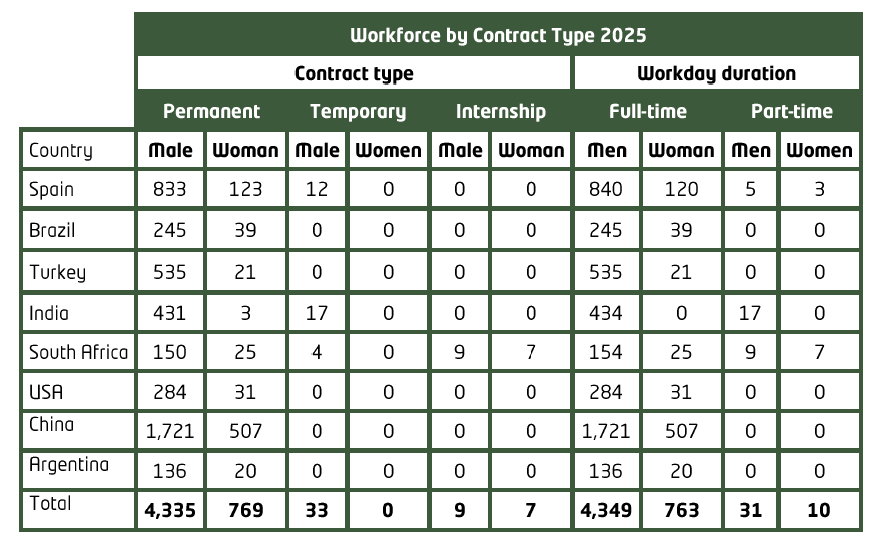
Job stability is a priority for GRI Renewable Industries. As a result, 98.7% of professionals are on permanent contracts and 98.9% are full-time employees. Furthermore, we promote local employment, with 95% of employees being local nationals.
- Turnover:
401-1
Hiring:
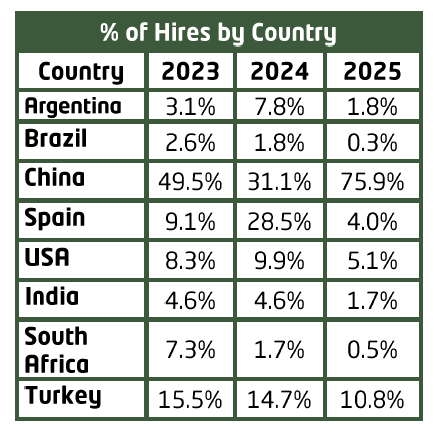
There were a total of 1,848 new hires among our own staff, distributed as shown below:
Departures:
A total of 1,109 departures were made by our own staff, the breakdown of which is summarized below:
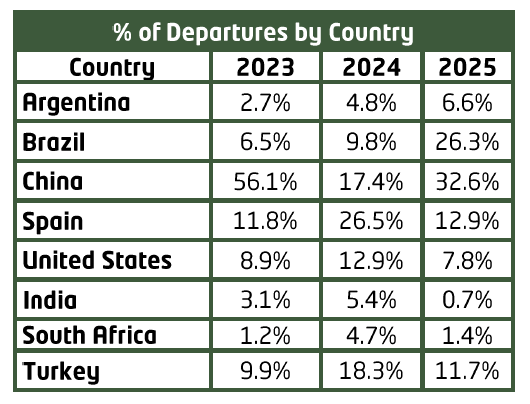
The turnover rate was 23% (25% for men and 10% for women).
Its objective is to comprehensively and strategically manage policies and practices related to compensation and benefits offered to employees, as well as to facilitate internal mobility and mobility between different countries, taking into account both the expectations of professionals and legal requirements and internal policies to prevent discriminatory practices and promote equal opportunities in compensation and benefits for all employees.
6.1. Mobility – Start-up and Support Teams
GRI Renewable Industries offers its employees the opportunity to participate in temporary support projects at other centers or plants. These assignments involve forming teams of specialists who are sent to support centers or plants in times of need, whether during the opening of new plants or in response to other challenges related to changes in production, machinery, customers, products, etc.
At GRI Renewable Industries, we believe in the importance of gaining international experience to develop the professional skills required for professional practice in an increasingly global and multicultural world. Therefore, the “Start-up and Support Teams” system allows us to offer employees from different parts of the world the opportunity to participate in international projects and collaborate with teams from other cultures through temporary assignments in other countries. These teams also facilitate the transfer of knowledge and know-how from more experienced employees, sharing and improving work methodologies and practical skills.
In recent years, we have created and trained specific Ramp-up/Support teams at various plants, comprising both direct and indirect labor. More than 160 employees have been trained in various skills at factories in Spain and the Americas. In the coming years, we will continue this initiative by training and empowering employees at more of the group’s plants.
Regarding the intra-company transfer of employees, this year we have continued with a significant movement, which has also increased certain employees’ access to positions offered outside their countries of residence. During 2025, more than 100 employees were transferred to other company plants or centers around the world.
We offer travel assistance insurance through two policies: a travel assistance policy that covers all medical expenses abroad, 24-hour assistance, etc., and a second policy that provides coverage for travel accidents while abroad.
6.2. Flexibility and Work-Life Balance
(401-3)
Work-life balance is one of the aspects most valued by professionals at GRI Renewable Industries. For this reason, at our corporate offices we offer flexible start and end times. In the factories, this is more complex, as work is organized in shifts based on customer needs; therefore, we strive to offer individual flexibility to those employees who require it due to their personal circumstances.
In recent years, a series of new work-life balance measures have been implemented at the corporate offices:
- Flexible start times have continued, between 7:30 a.m. and 9:30 m. Employees also have the option to take a 30-minute lunch break and leave work early.
- The summer intensive workday is extended from July 1 through September 12.
- Vacation time can be taken for two weeks outside of July and August, either all at once or in up to three separate periods.
- In 2025, a lactation room was set up at the corporate offices.
As additional initiatives in 2025, in addition to employees being able to enjoy a company-paid breakfast on their birthday and a free afternoon to spend time with family and friends, employees have been offered the opportunity to join a gym subsidized 50% by the company within the same complex where the new corporate offices are located.
At our production plant in Argentina, improvements have been made to all offices, notably including the expansion of the women’s changing rooms at the plant.
6.3. Compensation
In line with its corporate human rights policy, GRI Renewable Industries aims to ensure that 100% of its employees receive a decent and adequate wage, above the minimums established by local legislation in each country. This wage is intended to meet the basic needs of workers and their families, taking into account the duties performed and the length of the workday. We adhere to the standards of the International Labour Organization (ILO) and applicable legislation, ensuring an appropriate work-life balance, including regular payment for overtime, as well as vacation and rest periods.
Employee compensation is established annually in collective bargaining agreements for each professional category, including salary increases. These agreements also cover overtime, variable pay, and various allowances such as night shift premiums, etc., tailored to their specific activity, factory, and country.
Additionally, the launch of the new organizational model in 2025 at the corporate level has also involved an analysis of the market situation for positions at the various identified organizational levels, establishing salary bands that allow for more effective and transparent management, with the dual objective of ensuring both internal equity and external competitiveness in our compensation.
6.4. Flexible Compensation and Employee Benefits
(201-3 and 401-2)
GRI Renewable Industries is a diverse company where employee benefits are not uniform, but rather tailored to the characteristics of the different plants and countries. Their distribution is summarized below:
- Argentina: includes health insurance for non-union employees, with the employee paying a portion (by law) and the company covering the remainder; staff have access to an on-site cafeteria and free parking, as well as discounts for fitness activities and healthy eating through a well-known Argentine food chain. Training is provided by the company.
- Brazil: Includes life and disability insurance, health insurance, cafeteria or dining hall services, as well as transportation assistance. The company also has agreements with pharmacies and other services such as dental care, and offers benefits for maternity/paternity leave.
- China: SIHI offers a shuttle bus, free employee housing (available upon request), quarterly and annual gifts (such as the Christmas basket in Spain), and sports competitions like basketball and soccer games, etc.
- United States: Includes life and disability insurance, health insurance, as well as a voluntary retirement plan for full-time employees where the company contributes the majority and the employee only 3%, and benefits for maternity leave. Additionally, in recent years, a new gas allowance was implemented for employees living outside the city of Amarillo, and the company’s contribution to insurance premiums has been increased. A $25 gift card was also given to all employees for Thanksgiving, and a $50 gift card for Christmas. Furthermore, in 2025, to promote employee retention, three non-consolidated payments were established for new hires at 30 days, 6 months, and one year.
- Turkey: Includes life insurance, childbirth allowance, death benefit for employees’ families, allowance for children’s school supplies, among others.
- India: Includes life and disability insurance, health insurance, cafeteria or dining hall services, and pension plan contributions. In the case of India II, transportation services are also provided.
- South Africa: In recent years, the performance incentive plan launched the previous year was consolidated, with quite positive results in terms of fulfillment. The transportation service for blue-collar workers was also maintained.
- Spain: Includes life and disability insurance. Additionally, pension funds are available at FIHI Forging, as stipulated in the Guipúzcoa Metal Workers’ Agreement, which governs the Iraeta plant. To celebrate Christmas, a basket of holiday treats is distributed to all corporate employees to enjoy with their families. And we have continued with Asterradoc: a free medical chat service for all employees in Spain.
In addition, in Spain, the “Flexible Compensation Plan” is offered on a voluntary basis, allowing employees to include various services within their compensation package and thus take advantage of tax benefits established by law. The main products offered under the plan are:
- Health Insurance
- Restaurant card
- Transportation card
- Daycare vouchers
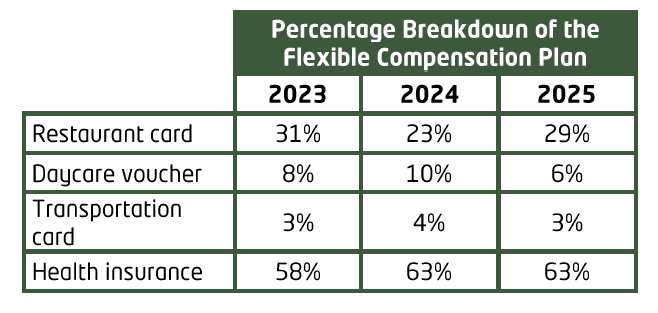
*Includes only GRI policyholders, not their families.
6.5. Be Healthy Health Improvement Programs
(403-6)
We continue to work on promoting healthy habits among our employees through various initiatives:
- Participation in the Ponle Freno Race: In November, to mark the 11th anniversary of Emotional Driving, GRI participated in this event held in Madrid. Runners from GRI Galicia, GRI Madrid, and GRI Sevilla were able to test their athletic abilities in the 5- and 10-kilometer races.
- Participation in the 2025 Women’s Race: In May, GRI runners participated in a new edition of the Women’s Race held in Madrid with the aim of supporting the fight against cancer and promoting sports as a lifestyle.
Other activities held at GRI Madrid:
- Paddle Tennis Week and Tennis Week were held at the Francisco Riberas Pampliega Sports Courts.
- Functional training sessions every Tuesday and Thursday at noon.
- Periodic body composition analyses.
- Signing of an agreement with Fitness Park (a chain of gyms) so that employees can use any gym in the chain at a discounted annual rate, with the company covering half of each employee’s annual membership fee.
6.6. Work organization, work-life balance measures, and disconnecting from work
(401-3, 401-4)
Work-life balance is one of the aspects most valued by our professionals. For this reason, office staff have flexibility regarding vacation dates, start and end times, and intensive workdays in the summer.
In the factories, due to the nature of the business, operations continue uninterrupted and sometimes 24 hours a day, so certain groups must work in shifts. This work organization does not prevent the rotation of such shifts from being encouraged, with the aim of facilitating the adjustment of work schedules to individual needs.
To address these issues, the group has:
- Working Conditions Policy
- Corporate Digital Disconnection Policy
At GRI, we are committed to fostering an inclusive and respectful work environment for all our employees. We firmly believe in the importance of diversity. We value diversity in all its forms, including, but not limited to, race, gender, age, sexual orientation, religion, disability, and ethnic origin. Diversity in the workforce is essential for innovation, driving significant change, and continuing to create new business opportunities.
Regarding employees with disabilities, we currently have 51 employees (86% men and 14% women).
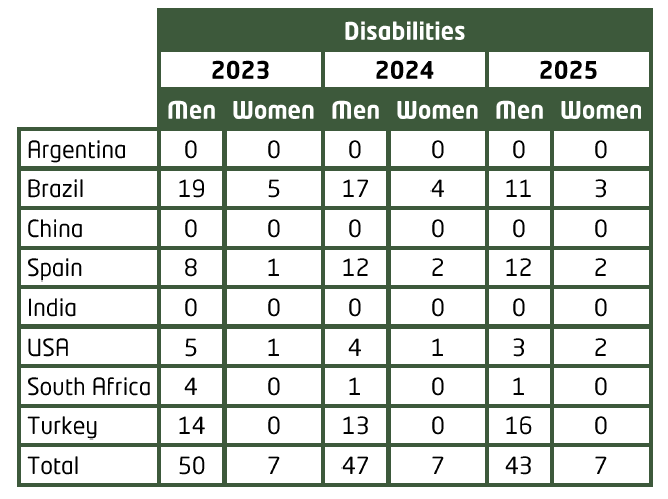
At our corporate offices, we maintain a fluid collaboration and develop initiatives with Special Employment Centers, such as purchasing fresh fruit, buying baby gift baskets for employees’ newborns, renting rooms for various events, etc. This allows us to integrate people with disabilities and/or at risk of social exclusion. Among other initiatives, we support the Juan XXIII Roncalli Foundation through team-building activities at the Foundation’s facilities; projects to generate business ideas for creating new products and services; and volunteer activities. In 2025, we attended a day at the “Puy de Fou” medieval festival, which was attended by GRI employees and their families along with a group of young people from the Foundation.
The IPRL, or Occupational Risk Prevention Index, is a proprietary Health and Safety standard implemented by GRI Renewable Industries since 2016. It is a tool that enables the evaluation of Health and Safety performance across all production plants using common criteria that account for the specific characteristics of different technologies and processes, as well as a best-practices framework based on continuous improvement.
The indicator’s result is the weighted average of up to 89 factors classified into three main categories: “Indices,” “Working Conditions,” and “Occupational Health and Safety Management,” providing comprehensive and objective information on each plant’s safety status.
Following each corporate audit, the consolidated index result is published. Additionally, as part of our commitment to continuous improvement, the plants conduct quarterly self-assessments that allow for systematic monitoring of their working conditions and the effectiveness of their management.
This information and the results are available to the entire organization through internal communication channels and the corporate intranet.
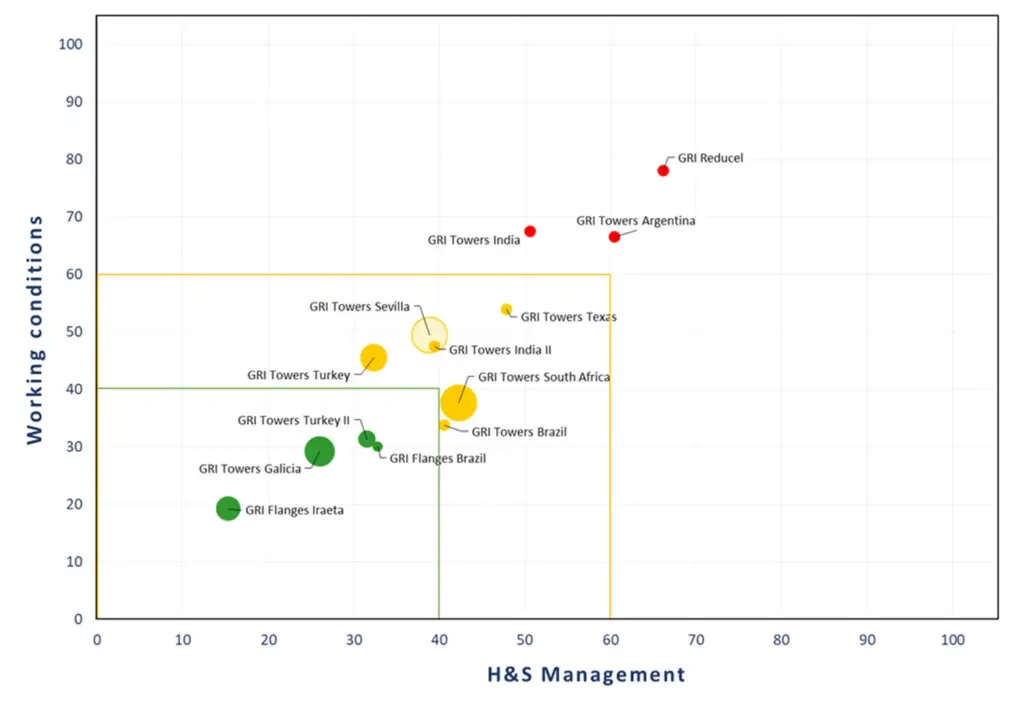
Currently, there are 4 production facilities rated as having “excellent performance” in Health and Safety.
*The chart does not include companies in China.
The comprehensive digitization of the Health and Safety area has allowed us to consolidate, into a single system, all information related to audits, statistics, incidents, and investigations from all the group’s plants. This digital management system, implemented and refined over the past few years, facilitates a much more agile, accurate, and benchmark-based analysis across plants, turning data into a strategic resource for preventive decision-making. Thanks to this capability, we can now identify patterns, anticipate risks, and prioritize actions more effectively. This transformation not only optimizes our processes: it elevates our safety culture toward a smarter, more connected model focused on protecting what matters most—the safety and well-being of people.
At GRI Renewable Industries, we continuously monitor accident rates. These rates apply to both our own employees and contractors. The company maintains rigorous oversight of accidents occurring at its facilities, covering both in-house and external personnel.
The following is a summary of accidents resulting in and without lost time for both our own and external personnel over the last 3 years:
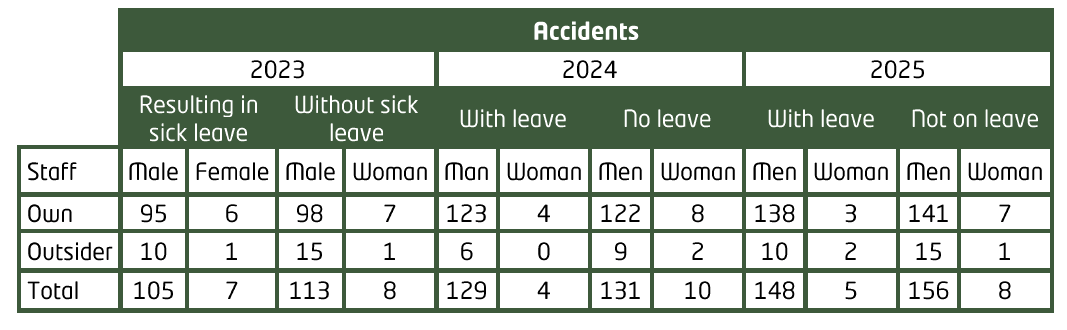
During the 2025 fiscal year, the number of accidents resulting in sick leave increased compared to the rates recorded in 2024; this trend was also observed in the previous year. The frequency rate shows the ratio of the number of sick leave cases divided by the total hours worked, expressed per million hours worked.
Lost-time accident rate:
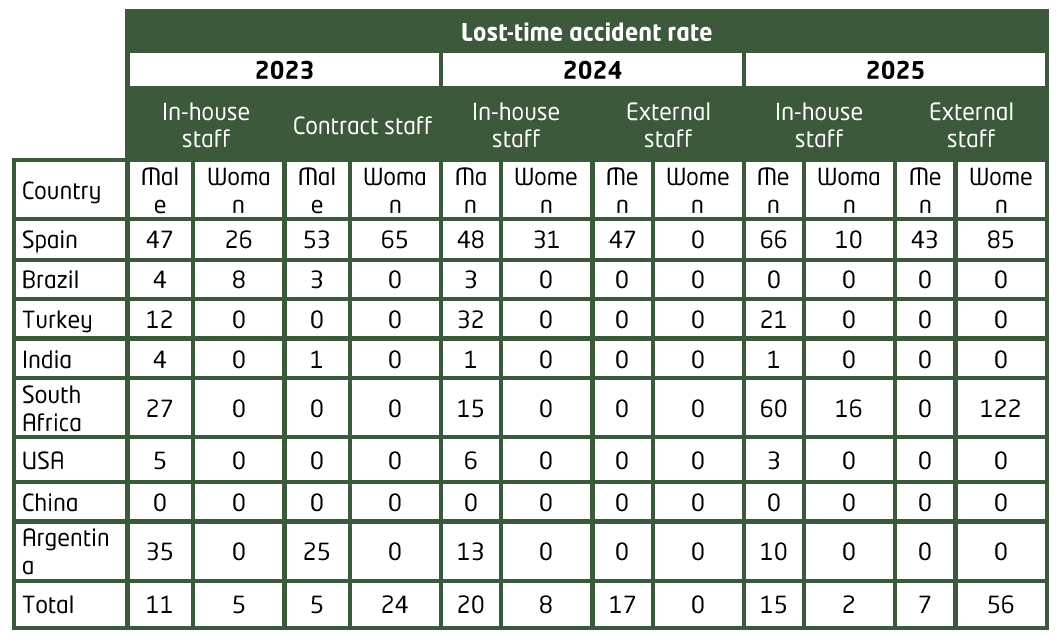
Frequency rate: Lost-time accidents / hours worked per 1,000,000
In 2026, the target is set to reduce the frequency rate by 20% by 2030 compared to 2025, covering both in-house operations (financial control) and companies under operational control.
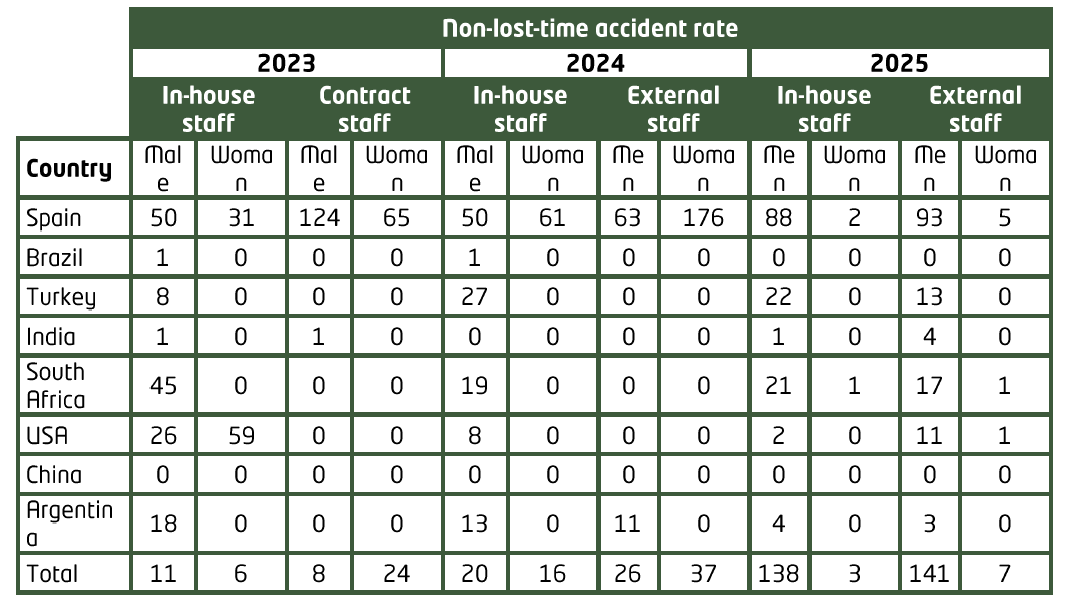
Frequency rate: Non-lost-time accidents / hours worked per 1,000,000
In addition to accidents, GRI Renewable Industries investigates all incidents to identify the root cause and plan corrective actions to eliminate recurrence and prevent future accidents.
Each factory in the group conducts risk assessments that are periodically reviewed at both the plant and corporate levels. The main identified risks are listed and addressed globally to ensure comprehensive control, with specific mandatory protocols defined for this purpose, such as: the adaptation of specific work equipment within the production process or the implementation of ergonomic improvements in the process resulting from rigorous evaluations and specific studies.
In addition, specific ergonomic studies are conducted to improve working conditions for employees. No workers are exposed to high risk, as they have access to appropriate PPE and controls to minimize such risks.
The risk of occupational diseases is identified in assessments conducted by the Occupational Safety and Health Department and is managed through health surveillance, in which the corresponding protocols are defined and applied according to the risks to which workers are exposed (403-7).
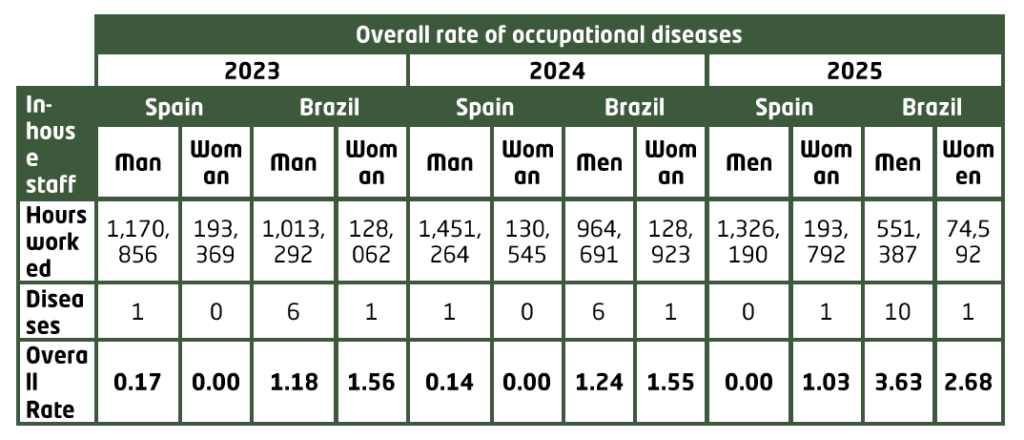
(*) Formula: number of illnesses / number of hours worked by in-house staff * 200,000
(403-10).
During the reporting period, the Severity Rate was 0.21, representing an increase compared to the previous period (0.17). This value is the ratio of the number of workdays lost due to accidents to the number of accidents, expressed per thousand hours worked.
Days lost due to accidents:
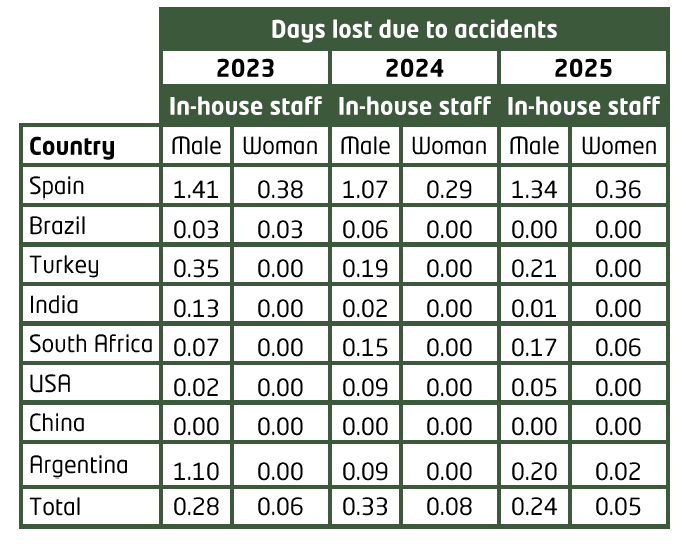
Severity rate: number of days lost due to accidents / hours worked × 1000
Days lost due to other causes:
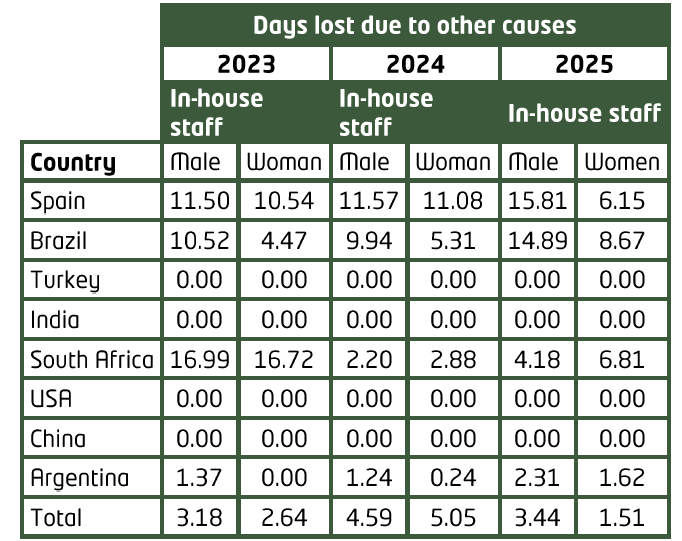
*
*No. of days lost due to other causes / hours worked × 1,000
Statistical analyses of accidents reported by factories in 2025 provide a profile of typical accidents at the company, with accidents involving eye irritation from particles, sprains, and cuts accounting for the majority of incidents (403-9).
Fortunately, we have not had to report any fatal accidents or deaths resulting from occupational diseases.
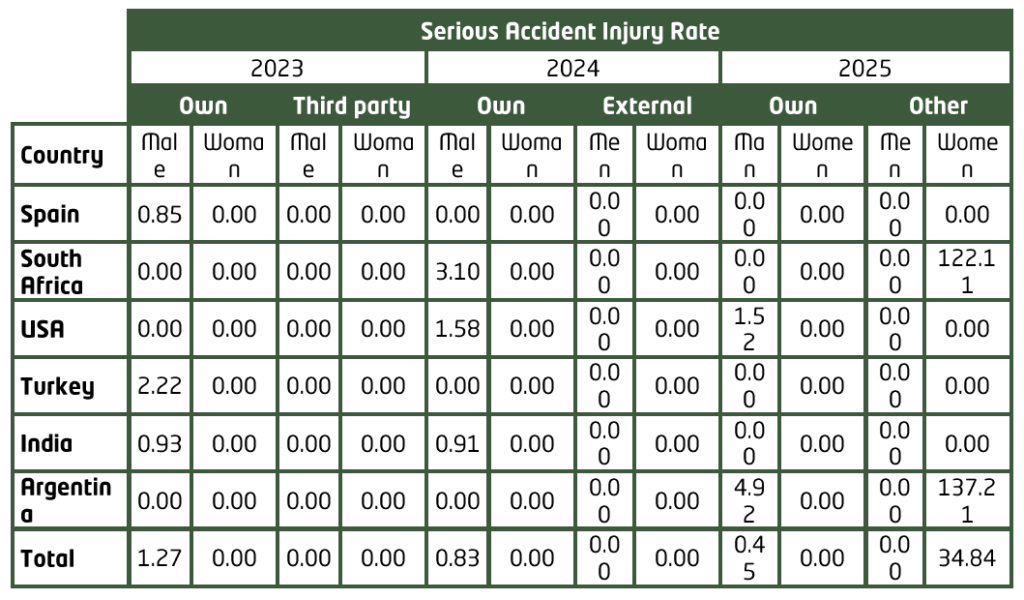
Rate: Number of serious workplace injuries per 1,000,000 hours worked
GRI Renewable Industries provides all its employees with specific, high-quality training necessary to perform all their job duties safely and effectively.
Safety plays a central role in this training. The training is based on the findings of workplace risk assessments and on work procedures and instructions. The training is integrated with the communication of best preventive practices identified and implemented globally.
In 2025, training hours totaled 28,090, compared to 21,718 hours in the previous fiscal year. Of these, 25,720 hours were provided to in-house staff and 2,370 hours to external personnel.
In 2026, the company set a goal of providing at least 30,000 hours of health and safety training for its own staff by 2030.
This ensures that all workers and external employees have all the necessary information, instructions, sufficient training, and supervision to carry out their daily activities safely and efficiently.
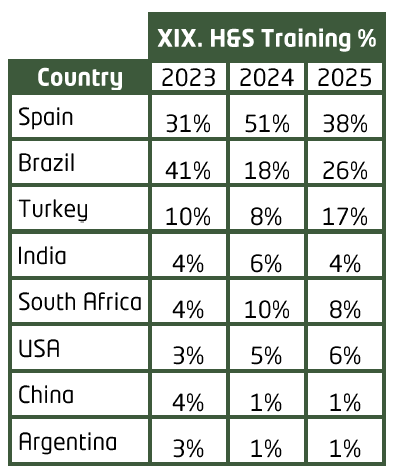
The following is a summary of the distribution by country:
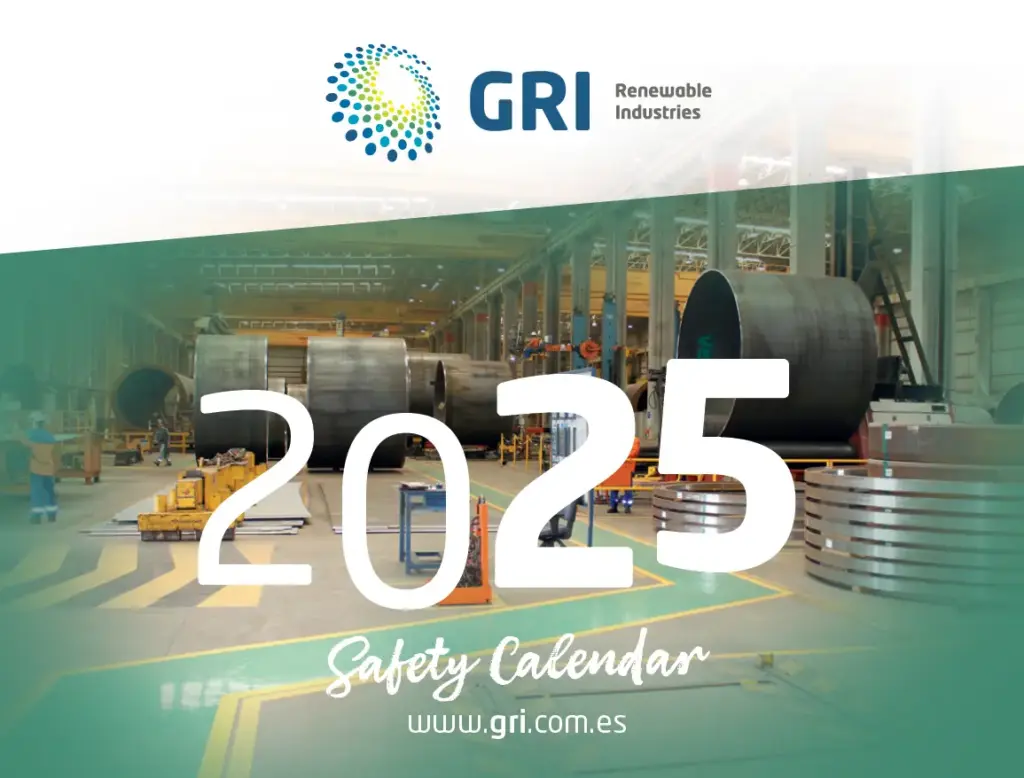
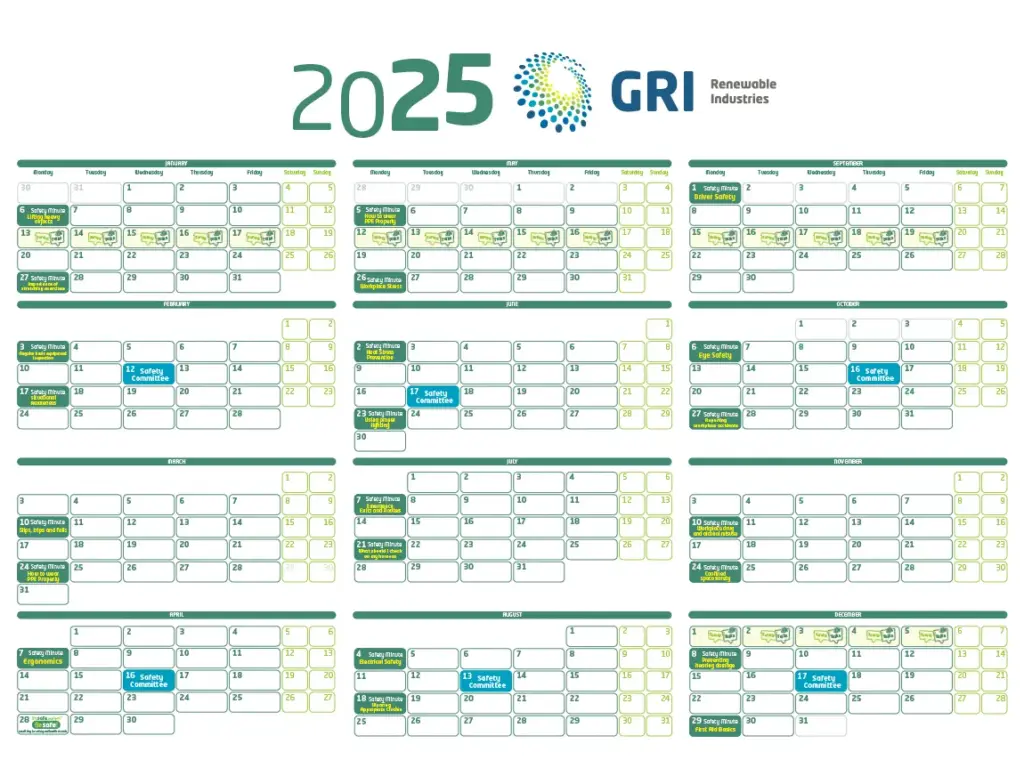
During the year, a Health and Safety Calendar was published that included, month by month, various Safety Minutes and Safety Talks aimed at reinforcing the organization’s safety culture.
Each month, essential topics were addressed, such as the proper use of PPE and the identification of exits and emergency routes, among other key elements to ensure a safe work environment.
This calendar became a preventive communication tool that promoted the continuous dissemination of safe habits among all employees.
GRI Renewable Industries reaffirms its commitment to quality in all its operations, placing customer satisfaction among its strategic priorities. The company is dedicated to continuously monitoring and improving customer satisfaction and loyalty through constant communication and the collection of feedback.
We measure quality and satisfaction in relation to our customers through the Customer Satisfaction Index, which is crucial for monitoring our operational quality and strengthening customer loyalty.
In 2025, GRI Renewable Industries achieved:
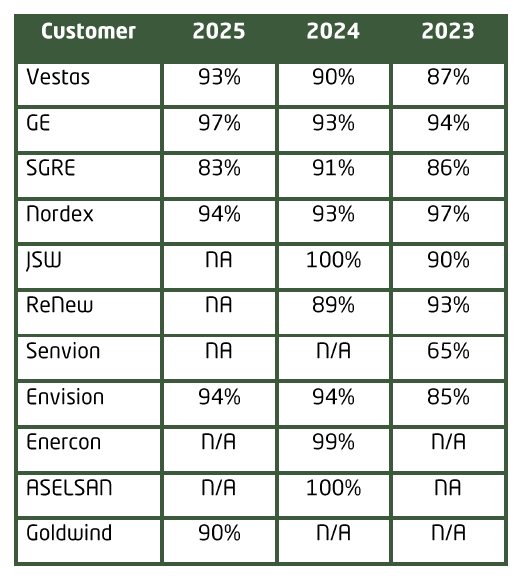
The company applies the ISO 9001 standard as the common foundation for its quality management system and customer focus. This framework enables the standardization of processes, ensures operational consistency across different units, and strengthens traceability and control of key activities, contributing to consistent service delivery aligned with customer requirements across diverse organizational environments. 100% of the factories operate under a certified quality system.
Innovation is key to integrating sustainability into meeting our customers’ demands. The company has two centers dedicated to innovation: GRI Towers Turkey and the University Innovation Center of Andalusia, Alentejo, and Algarve (ciu3a) (Seville, Spain). The R&D&I team consists of 45 professionals based in Spain, Turkey, and India.
At GRI Renewable Industries, 2025 has been a year of significant progress in innovation, in line with our commitment to continuous improvement. We have achieved important benefits, particularly in reducing the consumption of raw materials and natural resources, and in decreasing waste generation, emissions, and discharges. Our environmental impact remains a priority.
GRI participates in several R&D&I projects funded by various public entities that promote technological advancement in the industrial value chain:
- RISS Project: Launched in 2024 and running through 2026 with support from the Regional Government of Galicia, this project aims to develop a new manufacturing route for smart, safe, and sustainable wind turbine superstructures, developed in collaboration with the Galician companies GRI TOWERS GALICIA, DALP INGENIERÍA Y AUTOMATIZACIÓN, and TECFILTER. The main objective of the project is to achieve a complete industrial transformation of the sector, focused on new sustainable models for surface treatment and welding, smart industrial safety solutions using emerging technologies such as AI, computer vision, or ultrawideband, as well as the development of digital platforms that integrate Industry 4.0 enabling technologies. The project is currently in its final phase, with completion expected in the third quarter of 2026, having met the 2025 milestones as planned.
It is worth noting that in 2025, the following R&D projects were successfully completed in accordance with their objectives:
- ZDZW Project: Launched in 2022 with support from the European Commission, it aims to develop digital non-destructive inspection services for efficient, waste-free manufacturing. It involves 27 partners from 10 countries, including GRI Towers Galicia and GRI Renewable Industries, focusing on reducing defects in welding and painting. Scheduled to conclude in 2025, it covers the entire value chain and has its own website: https://www.zdzw-project.eu/
By 2025, the implementation of use cases or pilots for the developed technologies will be completed, with pilots associated with the smart manufacturing and inspection of wind towers at GRI Towers Galicia.
- NEXTWIND Project: Funded by the CDTI, it seeks new structural solutions and calculation methodologies for wind towers. It is based on research into new materials, post-processing treatments, and AI-based calculation methodologies, with the aim of improving structural efficiency and reducing costs and CO₂ The project was successfully completed in mid-2025, achieving all proposed objectives.
- SELFBALANCE Project: Also funded by the CDTI, this project, launched in 2022, is developing a self-balancing industrial welding robot to improve the manufacturing of offshore metal superstructures. Set to conclude in the first quarter of 2025, the project has resulted in a valuable asset for the company with very promising results.
- NEXTFLANGE Project: FIHI FORGING INDUSTRY, in collaboration with Azterlan and Tecnalia—two of the most prominent centers in the sector—seeks to develop a new generation of offshore wind flanges. It began in 2022 and concluded in February 2025, opening new avenues of research and collaboration to advance offshore wind flanges.
- ADVANCEINT Project: Co-funded by CDTI Innovation and the ERDF, this project focuses on developing advanced solutions for internal structural components of wind turbine superstructures, addressing new materials, manufacturing processes, and design methodologies. The project concluded as planned in mid-2025, successfully achieving all its objectives and generating significant progress in materials development for the company. In February 2026, CDTI Innovation staff will visit the site, where project leaders will showcase the achievements made.
- FLOATWIND Project: Led by GRI Renewable Industries and funded by the Ministry of Industry, Trade, and Tourism, this project focuses on researching new design and manufacturing solutions for floating offshore wind superstructures based on the introduction of new materials, welding technologies, surface treatments, smart inspection, and digitalization—all of which are currently unavailable in the sector. It is part of the INNCODIS project by NAVANTIA S.A., S.M.E., with a budget exceeding 2.5 million euros, and focuses on aspects such as surface treatments and welding. Set to conclude in December 2025, this ambitious initiative by GRI Renewable Industries has yielded numerous positive results and solutions, as well as new R&D lines within the company.
- INARI Project: Launched in 2022 and supported by RED.ES, it focuses on researching artificial intelligence models to predict manufacturing costs for complex wind turbine components. It uses machine learning and big data to model massive datasets. The intelligent prediction model was completed in 2024, although its group-wide implementation continues in 2025, with expanded functionalities and integration into other operational areas.
In addition to the ongoing projects, new lines of development for the coming years were defined in 2025, pending approval by the administration:
- Interconnects Step Iawind: Research into disruptive solutions that combine artificial intelligence, computational algorithms, robotics, and advanced inspection systems to create a new intelligent digital pathway for the design and manufacture of wind towers. This project has a duration of 3 years and involves collaboration with two technology SMEs: DALP (DALP Engineering and Automation) and IOVI (INTELLIGENT VISION).
- Soliawind: AI solutions and multimodal perception systems for wind turbine superstructures. This is an international project involving GRI Turkey, Siemens Turkey, and GRI R6D Engineering, with a duration of 3 years and a budget of over 2 million euros.
Red.es HIADA4WIND: AI Tool for the Digitalization of Area 4 (Surface Treatment) in Wind Tower Manufacturing
This is an individual project managed by GR R&D Engineering, focused on the digitalization and application of AI to the key surface treatment process.
The proposal aligns with the company’s digital transformation strategy, industrial sustainability goals, and international trends in cognitive manufacturing. Its validation in a real-world setting on wind tower products will enable the short-term consolidation of a replicable, scalable, and transferable model to other production lines and industrial sectors, positioning the company as a leader in the application of AI to advanced manufacturing processes.
A large portion of GRI Renewable Industries’ purchases are project-specific, making procurement the first link in the chain. Its primary function is to ensure that suppliers meet their obligations in a timely and proper manner. Therefore, it focuses on proper project planning, including on-time delivery, cost monitoring, and the use of the latest technologies to optimize overall supply chain management.
For each project, continuous and fluid communication is established, and risks are managed until the material is received at each plant. To meet these requirements, regular meetings are held with suppliers, and project tracking templates are shared to facilitate the identification of potential risks and minimize them to reduce their impact.
In 2025, we began developing a new technological tool in collaboration with IT to enable shared, transparent, and continuous project tracking. Additionally, this technology has been integrated with logistics to jointly monitor progress and optimize high-emission transport routes, as well as to track compliance with quality agreements with suppliers.
In this context, in 2026, GRI Renewable Industries set a goal that, by 2030, 100% of suppliers and intermediaries classified as high-risk (key suppliers) would have been assessed through due diligence processes covering the environment, health and safety, business ethics, anti-corruption, human rights, and child labor, forced labor, and human trafficking, with documented evidence.
The company integrates the monitoring of ISO certifications into its sustainable procurement process as an essential tool for due diligence and ESG risk mitigation. The level of certification in environmental management systems (ISO 14001), occupational health and safety (ISO 45001), and quality (ISO 9001) is used to assess supplier maturity, segment the supply chain, and prioritize development actions. This data helps strengthen traceability, reduce operational risks, and ensure alignment with internationally recognized standards.
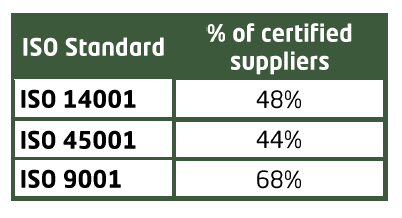
In the steel sector, we have key suppliers considered critical due to their importance in our value chain. They have a certification level well above average, indicating a high level of maturity in environmental, safety, and quality management. This performance directly contributes to mitigating ESG risks, complying with international standards, and strengthening the resilience of a key segment for the company.
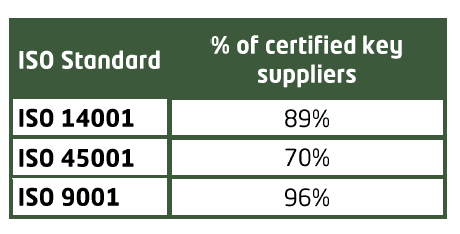
At GRI Renewable Industries, the monitoring and evaluation of our suppliers is a task that involves both the corporation and each of our factories. The “Quality” department plays a crucial role in this process, overseeing supplier certification and auditing, complaint management, and the implementation of corrective and preventive actions. These actions are essential to ensure that both products and suppliers meet the Group’s rigorous standards.
For approval, it is an essential requirement that 100% of suppliers complete a detailed questionnaire regarding information and evidence. This process ensures the selection of the most outstanding suppliers in the market, covering key aspects such as sustainability, human rights, ethics, compliance, availability of certifications, and environmental, quality, and occupational health and safety data, among others.
Additionally, in accordance with our “Supplier Control” procedure, specific audits are conducted for suppliers of materials considered critical. These audits verify compliance with the required standards, complemented by APQP4Wind controls and product-focused “First Piece Qualification” (FPQ) inspections.
The final supplier assessment integrates and weights all these requirements, establishing specific measures based on the results and the classification obtained. We have adapted this assessment to include suppliers’ progress in reducing emissions, ensuring they align with our strategic goal of becoming “Carbon Neutral.”
For suppliers with lower scores, we define action and improvement plans, with periodic follow-ups, aiming to elevate them to the “good” or “excellent” performance categories. As a control mechanism, we conduct continuous evaluations of all approved suppliers on a semi-annual basis.
In 2025, 84.26% of suppliers received an A or B rating on a scale from A to E, representing a low-risk level. The remaining suppliers, classified as “medium risk,” are required to submit action plans to improve their classification to “reliable.”
Audits and inspections are repeated in cases of incidents, the introduction of new products, changes in processes, or any other circumstance that warrants it. In 2025, 27 audits were conducted.
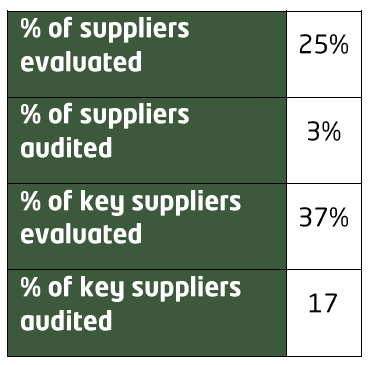
In 2025, in the area of Supplier Quality Assurance (SQA), we implemented an additional communication channel with suppliers to share raw material quality certificates and other documentation regarding the materials supplied. We also included environmental, social, and governance (ESG) clauses in procurement communications and contracts.
To mitigate sustainability risks in our supply chain, we have introduced clauses related to environmental commitment, social commitment, and governance in our supplier contracts.
Furthermore, to assess these risks, our supplier audits take ESG criteria into account when determining a final score.
L
The social contribution of our factories takes the form of specific projects that combine community participation, strategic partnerships, and actions aimed at generating visible change. Below are some of the projects carried out in 2025 that reflect this commitment and the impacts achieved.
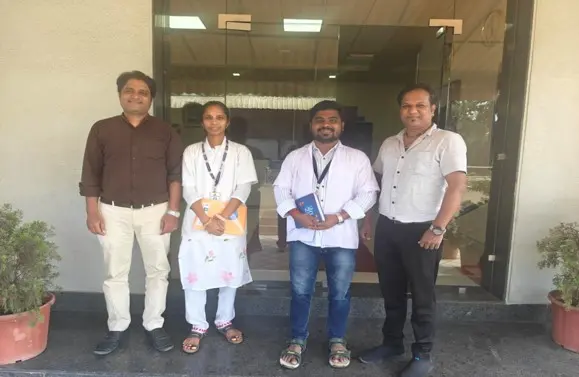
GRI Towers India I & NGO SCHOOL
GRI Towers India I has launched a community development project in collaboration with NGO SCHOOL, with the aim of empowering employees’ families and local communities in the Kolhapur district. The initiative focuses on strengthening the personal and professional capacities of women, youth, and families, integrating training, health, and social development.
The project focuses on digital literacy, vocational training, and elder care, specifically targeting women in the community, while simultaneously supporting youth development through career guidance, life skills training, and the strengthening of family relationships.
This collaboration is an example of a strategic partnership aimed at improving well-being and development opportunities in rural areas, strengthening the ties between the factory and neighboring communities.
Social and Labor Inclusion – GRI Seville
GRI Sevilla is working on a social and labor inclusion program designed to facilitate the hiring of refugees, migrants, and vulnerable groups at risk of social exclusion. The project is carried out in partnership with three NGOs specializing in labor integration, which provide guidance, training, and support in adapting to the work environment.
Thanks to this collaboration, the plant has hired 33 people from various countries, including Burkina Faso, Mali, Senegal, Venezuela, and Colombia, thereby promoting a diverse workforce and a responsible hiring strategy aligned with the social needs of the region.
Through this initiative, GRI Sevilla helps create real opportunities for integration, job stability, and self-reliance for people seeking to rebuild their lives, reinforcing the company’s commitment to inclusion, diversity, and sustainable human development.
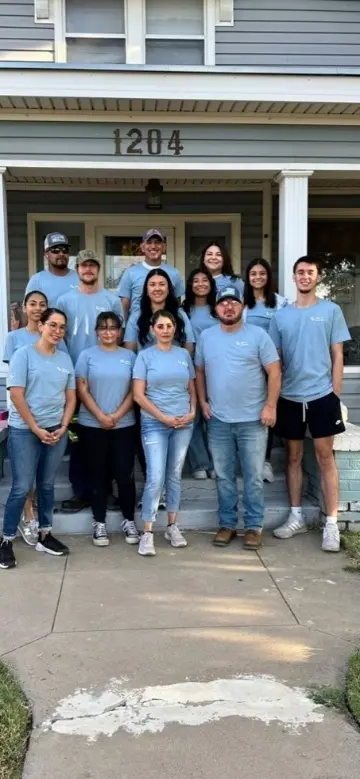
GRI Texas & Martha’s Home
In the United States, GRI Texas is carrying out a corporate volunteer project in collaboration with Martha’s Home, an organization dedicated to providing comprehensive support to single mothers in vulnerable situations. The initiative aims to strengthen the emotional, social, and daily well-being of these women and their children through the active engagement of factory employees.
The project combines direct support actions with activities aimed at improving the autonomy and quality of life of the families served by the NGO. Key areas of focus include assisting with daily tasks, organizing educational and recreational activities for the children, and conducting employability and career guidance workshops for the mothers. These interventions help enhance skills and create a positive, supportive environment for participating families.
This project represents a significant contribution to community development in the local area, offering support to women in particularly vulnerable situations and promoting opportunities for personal and professional growth for them and their children.
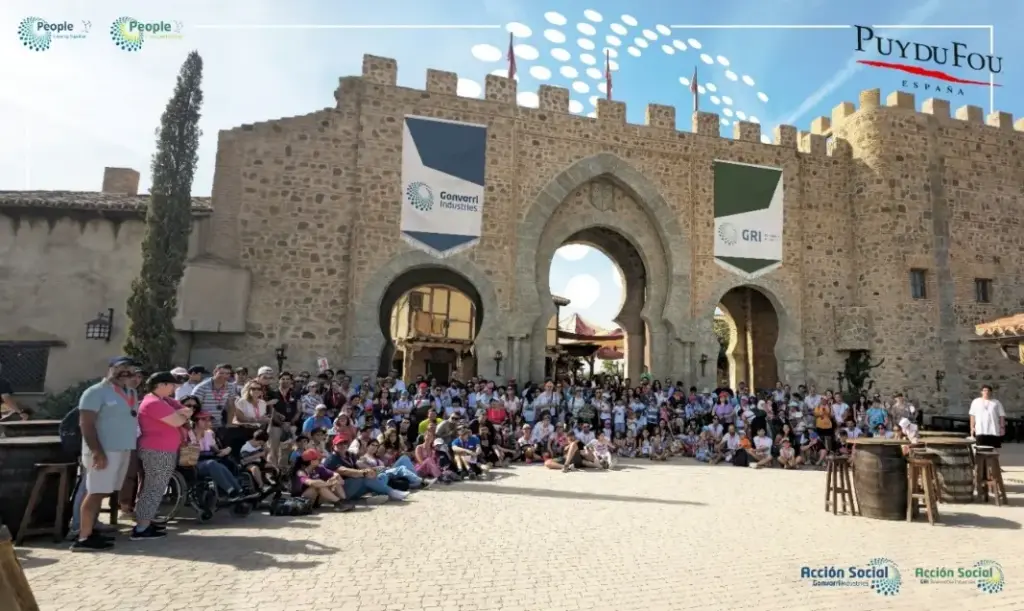
Corporate Volunteering with the Juan XXIII Roncalli Foundation – Day at Puy du Fou
This year, the corporate volunteer program with the Juan XXIII Roncalli Foundation once again brought together a large number of employees and their families, establishing itself as one of the company’s most participatory initiatives. More than 160 volunteers joined forces to accompany the beneficiaries of the social organization on an inclusive day at the Puy du Fou theme park, creating an atmosphere of camaraderie, support, and shared fun.
During the activity, volunteers provided close companionship, emotional support, and personalized assistance, helping participants fully enjoy the experience in a safe and accessible environment. These outings are essential for promoting the social inclusion of people with disabilities, as they help strengthen their autonomy, self-esteem, and sense of belonging, while raising employee awareness about diversity and the importance of support.
The collaboration with the Juan XXIII Roncalli Foundation reflects GRI Renewables Industries’ commitment to initiatives that combine active employee participation, stable partnerships with social organizations, and transformative experiences for everyone involved.
DIVERSICAMP—Inclusive Camp
In 2025, Diversicamp was launched—an inclusive camp developed in partnership with the Juan XXIII Roncalli Foundation, aimed at employees’ children aged 3 to 7. The program had 40 participants. Additionally, several scholarships were awarded to enable children supported by the Juan XXIII Foundation to participate, thereby reinforcing the project’s inclusive approach
For two weeks, the children participated in workshops and games organized into six themed worlds designed to foster values such as diversity, inclusion, respect, and empathy. The activities were led by specialized staff and supported by people with disabilities.
The initiative contributed to work-life balance and raised awareness about disability from an early age.
In 2025, the company has reinforced this approach through a consolidated portfolio of social initiatives that combine community participation, strategic partnerships, and corporate volunteering. At the corporate level, seven projects with a positive social impact have been promoted, developed in collaboration with seven social partners and making an impact in different countries. The total investment allocated to these initiatives was 446,000 euros, reflecting our commitment to generating a measurable, sustainable impact aligned with the real needs of the communities where we operate.
- LQDVI (since 2014): Support was provided for five in-person national conferences in A Coruña, Palma de Mallorca, Bilbao, Barcelona, and Madrid.
- AESLEME (since 2013): We continued the Emotional Driving project, which aims to bring about behavioral and cultural change in school road safety, focused on establishing safe mobility habits and social norms among students in schools and educational centers in Madrid and Castile and León.
- World Central Kitchen (since 2013): We supported its food response efforts in emergencies and humanitarian crises, ensuring access to safe and nutritious food for affected people, prioritizing regions where the company’s factories are located.
- Juan XXIII Roncalli Foundation: A corporate volunteer day was organized in collaboration with the foundation’s sports and leisure club and its inclusive camp, Diversicamp, for employees’ children and children supported by the foundation.
- Real Madrid Foundation: The collaboration was structured around two complementary initiatives: first, a road safety awareness program through sports that integrates values and content on safe mobility into inclusive soccer and basketball activities aimed at children and people with disabilities; and second, a social inclusion and child protection program to promote the holistic development of vulnerable children in shelters.
- SERES Foundation: We participated in integrating sustainability and social responsibility into the business community.
- Princess of Girona Foundation: Support was provided for its programs to develop young talent and strengthen initiatives aimed at improving employability, training, and youth leadership, with a special focus on the Special Intervention Plan for Youth in Valencia, launched in response to the severe effects of the DANA.
GRI Texas & ONG Martha’s Home
GRI-India School
Voluntariado Puy du Fou